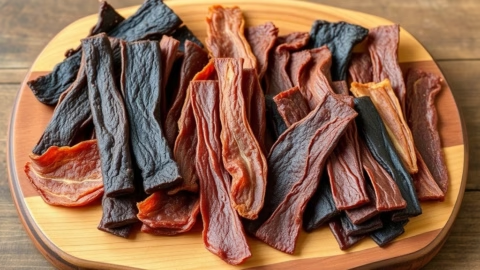

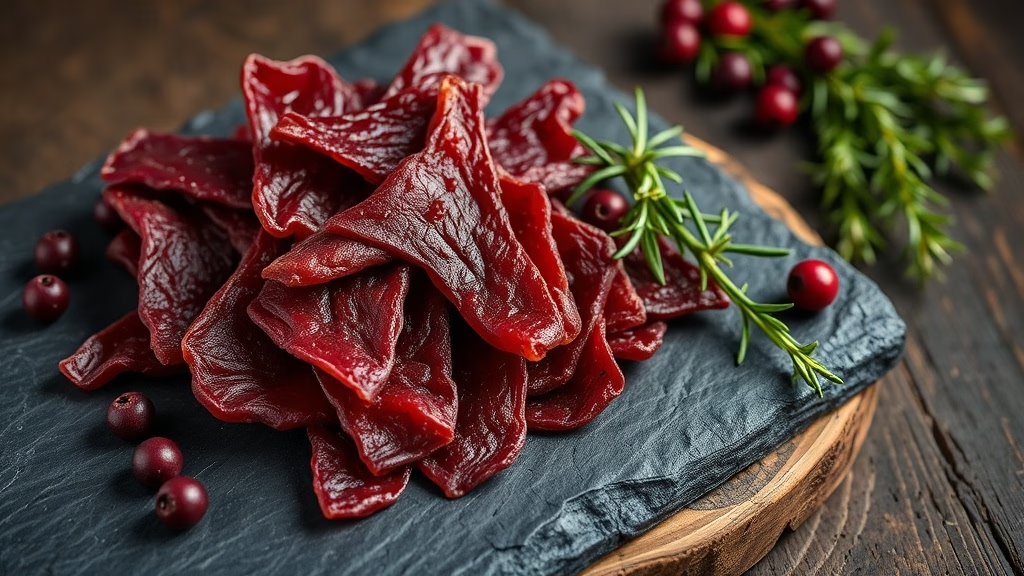
Venison jerky is one of those things most hunters attempt once and either love immediately or vow never to make again. The difference almost always comes down to two things: how the meat was handled in the field and whether the marinade was designed to work with game flavor rather than against it.
Results vary enormously between batches, and the difference usually traces back to two things: how the animal was handled in the field and whether the marinade was built for game flavor rather than against it. Here is what to get right.
Why Venison Makes Exceptional Jerky
Deer muscle is extraordinarily lean — typically less than 4% fat — which is exactly what you want in jerky. Fat doesn’t dehydrate; it goes rancid. Commercial beef jerky brands have to trim aggressively to avoid this problem. Venison barely needs trimming at all.
The flavor is rich and complex in ways that grain-fed beef simply isn’t. Done correctly, venison jerky has a depth that’s closer to good charcuterie than a gas station snack. If you want to compare it to commercial alternatives, see our best exotic jerky guide, which covers commercial venison and bison options.
Sourcing the Meat
If you’re a hunter, use the hind leg (top round) or backstrap. Backstrap is the most tender cut; hind leg gives you more volume and is perfect for jerky. Avoid the neck and shoulder for jerky — too much connective tissue and tendon.
If you’re buying venison, specialty butchers and online suppliers (D’Artagnan, Wild Fork) carry farm-raised New Zealand red deer. Farm-raised is milder and more consistent than wild-harvested. It costs more, but you skip the field-care variable entirely.
The Gamey Flavor Problem — and the Fix
“Gamey” is almost always caused by one of three things: adrenaline from a poorly placed shot, delayed field dressing, or silver skin and fat left on the meat. Wild animals also carry myoglobin-rich blood in the muscle that intensifies during drying.
The fix: soak the sliced meat in cold water with 1 tbsp of white vinegar per quart for 2 hours before marinating. The vinegar draw pulls the blood and myoglobin out of the muscle fiber without affecting the meat’s texture or flavor. Rinse and pat dry before adding your marinade.
Best Marinade for Venison Jerky
Venison needs a marinade that complements rather than masks its flavor. Avoid overly sweet marinades — sugar competes with the earthiness of game. Instead, lean into umami and acid:
- 1/3 cup soy sauce
- 2 tbsp balsamic vinegar (not regular red wine vinegar — balsamic adds sweetness without sugar)
- 1 tbsp Worcestershire sauce
- 1 tsp juniper berries, crushed (optional but game-traditional)
- 1 tsp garlic powder
- 1 tsp black pepper, coarsely ground
- 1/2 tsp dried rosemary, crumbled
- 1/4 tsp smoked paprika
Marinate 8–12 hours refrigerated. The soy and Worcestershire build savory depth; the balsamic and rosemary are classic pairings with game meat from European hunting traditions.
For other marinade frameworks — including spicy and teriyaki bases that work well with game — our proven jerky marinade guide has six detailed recipes you can adapt to venison.
Slicing and Preparation
Before anything else, NCHFP recommends freezing wild game to address trichinella: a portion 6 inches thick or less, at 0°F or below, for at least 30 days. When you are ready to slice, a further 30 minutes in the freezer firms the meat up; venison muscle is denser than beef, so that partial freeze is especially helpful. Slice no thicker than ¼ inch, against the grain.
Trim every visible piece of silver skin and fat. Silver skin doesn’t soften during drying — it creates tough, unchewable spots in the finished jerky. Fat goes rancid within days of the batch completing, dramatically shortening shelf life.
Drying Time and Temperature
Heat the meat to an internal 160°F before drying (USDA FSIS) — the simplest way is to boil the strips in their marinade for 5 minutes (NCHFP) — then dry on racks at a steady 140°F. Unheated strips take 10 to 24 hours at that temperature according to NCHFP; strips boiled in marinade dry faster, and lean venison tends to finish quickly, so start checking after 3 hours. Choose wild game in our jerky calculator and it adds the freezing and heating steps for you.
The done test is the same: bend a strip and it should crack across the bend without snapping completely. Soft spots mean more time. Check every 30 minutes after the 3-hour mark.
If you’re in the market for a reliable dehydrator, our best jerky dehydrator guide covers three dedicated machines and what to look for. Venison’s lean profile means almost any quality dehydrator handles it well.
Storage and Shelf Life
Because venison is so lean, properly made venison jerky lasts slightly longer than fatty beef jerky. At room temperature in an airtight container: 2 weeks. Refrigerated: 4–6 weeks. Vacuum sealed and frozen: up to 6 months with minimal quality loss.
For the general framework on jerky storage and signs of spoilage, our how long does jerky last guide covers the variables in detail.
Other Game Meats Worth Trying
Once you’ve worked through venison, the same technique applies to:
- Elk — larger muscle groups, milder flavor than deer, excellent for large batches.
- Bison — readily available from ranchers, richer than beef with a slightly sweet finish. See our exotic meat jerky guide for how bison, elk and salmon compare.
- Wild boar — higher fat content than venison; trim very aggressively and expect shorter shelf life.
- Duck breast — unusual choice but the result is extraordinary; fat cap must be fully removed before drying.
We’ve reviewed several commercial exotic options including bison and elk across our exotic jerky rankings if you’d rather start with a tested product before making your own.
Final Thoughts
Venison jerky has a higher ceiling than beef jerky — the lean muscle and complex flavor, properly handled, produce something genuinely special. The two-hour blood soak and a marinade built around umami and acid rather than sugar are the key adjustments that separate the good batches from the ones that end up in the bin.