
Jerky sticks (sometimes called meat sticks or snack sticks) and traditional sliced jerky strips are often shelved next to each other and treated as interchangeable, but they’re made through genuinely different processes and suit different situations. Here’s the real comparison.
How Each Is Actually Made
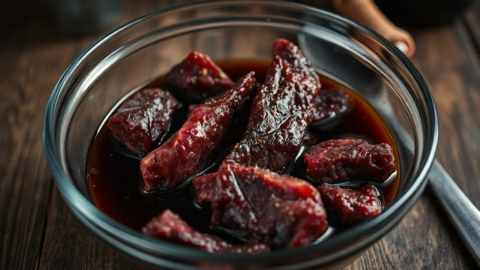
Traditional jerky strips start from a whole cut of meat, sliced thin (see our guide to jerky-appropriate cuts), marinated, and dehydrated. The final texture depends heavily on the muscle fiber direction of the slice and the specific cut used.
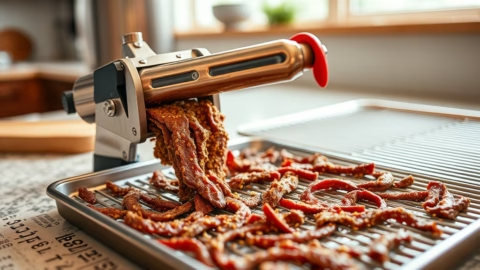
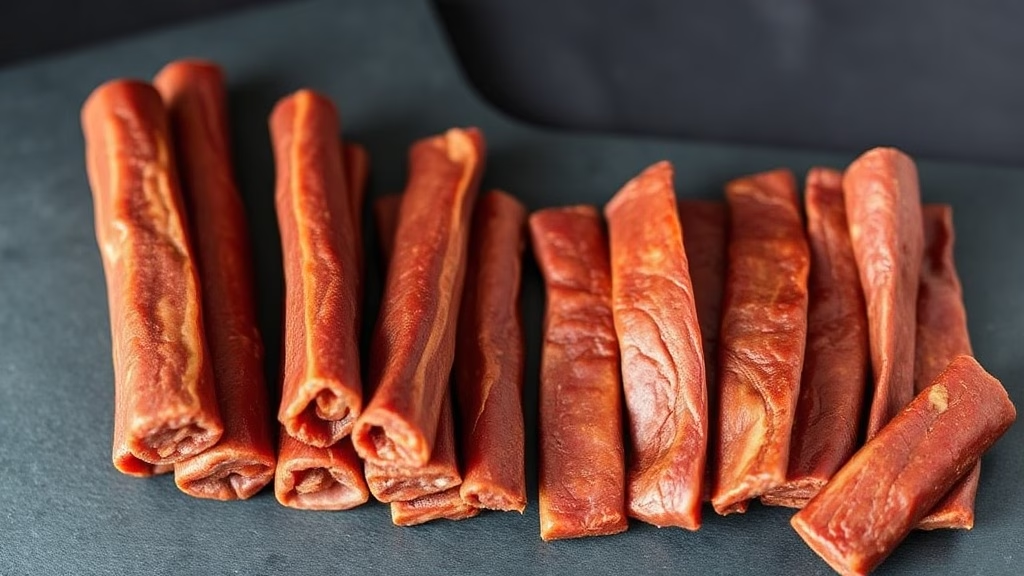
Jerky sticks are almost always made from ground or emulsified meat, mixed with seasoning, and extruded into a uniform cylindrical shape before curing and drying (similar in concept to how ground meat jerky is made, just in stick form rather than flat strips). Many commercial jerky sticks are also smoked as part of the process, which strips don’t always undergo.
Texture: The Biggest Practical Difference
Strips have a fibrous, chewy texture that varies by cut and slice direction — part of what people specifically enjoy about traditional jerky is working through that texture. Sticks have a uniform, denser, more sausage-like bite throughout, closer to a snack stick or summi sausage than to pulled, fibrous jerky. Neither is objectively better — it’s a genuine texture preference, similar to the ground-vs-whole-muscle distinction in home jerky making.
Convenience and Portioning
This is where sticks have a real practical edge: uniform size and shape means consistent portions every time, easier one-handed eating (no tearing off bite-sized pieces from an irregular strip), and typically more compact, pocket-friendly packaging. Strips vary in size within the same bag, which some people don’t mind and others find inconsistent for portion tracking.
Ingredient Considerations
Because sticks are made from ground/emulsified meat rather than a whole muscle cut, they generally contain more processing aids and binding agents (to hold the extruded shape together) than strip jerky, which can be as simple as meat, marinade, and salt. If minimizing ingredients is a priority, check the label — strip jerky from a quality brand often has a shorter ingredient list than an equivalent stick product, though this varies significantly by brand and isn’t a universal rule.
Nutrition: Mostly Similar, Watch Fat Content
Protein content is comparable between well-made sticks and strips of the same meat type. The main nutritional variable is fat — because sticks are often made from a ground blend that may include some fat content for binding and mouthfeel (rather than a lean, trimmed whole cut), some jerky sticks run slightly higher in fat than a well-trimmed strip jerky. This isn’t universal (many stick products are formulated lean specifically), so check the nutrition panel on the specific product rather than assuming based on format alone.
Price
Generally similar per ounce, though sticks sold as individual single-serve units (common in convenience store and gas station settings) often carry a higher per-ounce price than the same brand’s bagged strip jerky, simply due to individual packaging costs.
Which Should You Choose?
- Choose sticks if you want grab-and-go convenience, consistent portioning, or prefer a denser, more uniform bite over traditional chew.
- Choose strips if you specifically enjoy the traditional fibrous jerky texture, want the shortest possible ingredient list, or are buying in bulk where per-ounce cost matters more than individual portioning.
- Both are reasonable protein snacks — the choice comes down to texture preference and use case (on-the-go vs. at-home snacking) more than any meaningful nutritional gap between them.
See our tested beef jerky picks, which include both formats where relevant.