
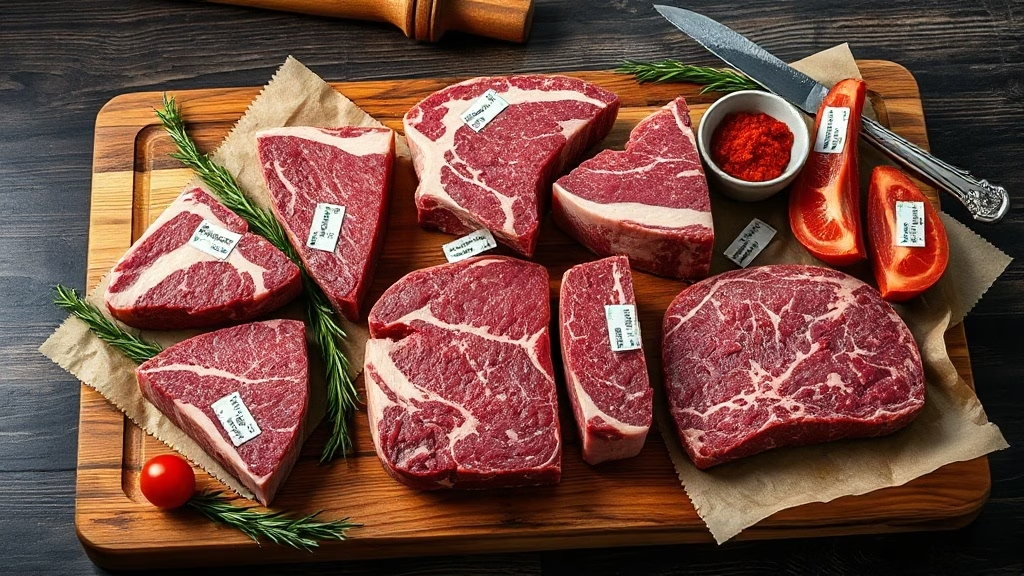
The best cuts of beef for jerky all share one trait: they’re lean. Fat is the enemy here. It doesn’t dry out the way muscle does, so it goes rancid and turns a good batch sour within weeks. If you want jerky that lasts and tastes clean, you start by picking the right piece of meat at the counter.
The Golden Rule: Lean, Whole-Muscle, Affordable
Before we get to specific cuts, burn this rule into your memory. Good jerky meat is lean, whole-muscle, and easy on the wallet. Lean keeps it shelf-stable. Whole-muscle means a solid hunk you can slice yourself, not pre-ground or pre-marinated. Affordable matters because jerky shrinks dramatically. You lose roughly two-thirds of the weight to dehydration, so paying premium-steak prices is a quick way to turn a small batch of jerky into a very expensive snack. As a rule of thumb, about 4 pounds of trimmed meat makes 1 pound of jerky (Cornell Cooperative Extension); our jerky calculator works out how much to buy.
The cuts that hit all three notes live in the same neighborhood of the cow: the round and the sirloin. These are hard-working muscles from the rear leg, so they’re naturally lean and cheap. Trim off any silver skin and the seams of fat you do find, and you’re most of the way to a great batch.
1. Eye of Round (Best Overall)
If you only remember one cut, make it the eye of round. This is the default choice for most batches. It’s a small, cylindrical muscle that’s almost absurdly lean, with practically no intramuscular fat to trim. It’s also one of the cheapest cuts in the case.
The shape is a gift for the home maker. Because it’s a tight, uniform cylinder, slicing is dead simple and your strips come out even, which means they dry at the same rate. No thin edges turning to crumbs while the centers stay wet. Clean flavor, low cost, easy prep. It’s the whole package.
2. Top Round
Top round is the workhorse of big batches. It’s a large, lean slab cut from the inside of the rear leg, so a single piece yields a serious pile of jerky. The grain runs fairly straight, which makes it forgiving to slice once you spot the direction.
It’s a touch more tender than eye of round and carries good beefy flavor. The only knock is that the muscle isn’t perfectly uniform in thickness, so you’ll want to slice carefully or ask the butcher to do it. For feeding a crowd or a hunting camp, top round is hard to beat on price per pound.
3. Bottom Round
Bottom round comes from the outside of the same leg and is a close cousin to top round. It’s lean, cheap, and widely available, often sold as a rump roast. It runs a little tougher and the grain can be slightly more pronounced, which gives the finished jerky a satisfying, hearty chew.
Bottom round works as the budget backup. If the case is out of eye of round or top round, it’s the obvious next choice. Marinate it a few hours longer to help with tenderness.
4. Sirloin Tip
Sirloin tip, sometimes labeled knuckle, sits right where the round meets the sirloin. It’s lean, reasonably priced, and a step up in tenderness from the round cuts. The flavor leans a little richer, which some folks prefer.
The catch is the seams. Sirloin tip is actually a few muscles bundled together, so you’ll find connective tissue running through it that needs trimming. It takes a few extra minutes with a sharp knife, but the payoff is a tender, flavorful strip that bridges the gap between cheap and premium.
5. Flank Steak
Flank steak is the flavor specialist. It’s the beefiest-tasting cut on this list, with a bold, almost mineral depth that marinades cling to beautifully. It’s lean enough to dry well, and the long, visible grain practically tells you where to cut.
The downside is price. Flank has gotten popular for grilling, so it costs noticeably more than the round cuts. Treat it as a treat, not your everyday batch. When you want jerky that tastes like a steakhouse, this is the one, just be ready to pay for it.
Quick-Reference Cut Comparison
| Cut | Leanness | Cost | Texture |
|---|---|---|---|
| Eye of Round | Very lean | Low | Tender, uniform |
| Top Round | Lean | Low | Slightly tender, beefy |
| Bottom Round | Lean | Low | Firmer, hearty chew |
| Sirloin Tip | Lean | Moderate | Tender, rich |
| Flank Steak | Moderately lean | Higher | Bold, grainy chew |
Cuts to Avoid
Skip anything prized for marbling. Ribeye, with its webbing of intramuscular fat, is built for the grill and terrible for the dehydrator, all that fat goes rancid. Brisket is another trap; despite being a barbecue king, it’s far too fatty for shelf-stable jerky. Steer clear of chuck, short rib, and any cut where you can see white streaks running through the red. Fat is flavor in a steak, but it’s a spoilage clock in jerky.
If you want the full background on where these cuts live on the animal, the Wikipedia entry on the round cut is a solid, accurate reference.
Slicing: With the Grain vs. Against It
How you slice matters as much as what you buy. Look at the surface of the meat and you’ll see the muscle fibers all running one direction, that’s the grain. Cutting with the grain, parallel to those fibers, gives you a chewy, jerky-store-style strip that holds together and takes real effort to tear. Cutting against the grain shortens the fibers, producing a more tender, snappable bite.
Most pitmasters, myself included, slice with the grain for that classic tough-and-toothsome pull. If you’re making jerky for someone with a sensitive jaw, go against the grain instead. Either way, partially freeze the meat for about an hour first; firm beef slices far cleaner and thinner than floppy room-temperature beef. For the full process, see our guide on how to make beef jerky, and if you’re shopping for gear, start with our best jerky dehydrator picks.
Frequently Asked Questions
What is the leanest cut of beef for jerky?
Eye of round is the leanest practical choice. It has almost no intramuscular fat and very little to trim, which is exactly why it’s our top overall recommendation. Top and bottom round run a very close second.
What is the cheapest cut for jerky?
The round cuts, eye of round, top round, and bottom round, are consistently the most affordable. They come from a large, hard-working part of the animal, so there’s plenty of supply and prices stay low compared to grilling cuts.
Can I use ground beef for jerky?
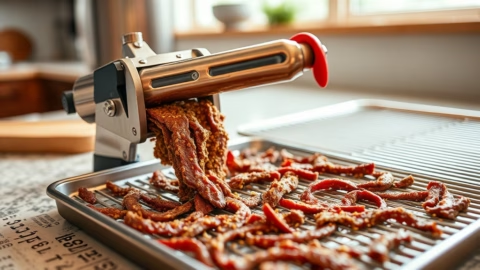
You can, but it’s a different animal. Ground beef jerky uses a jerky gun to press out strips and requires extra-lean ground (90% or higher) plus a cure for safety. It’s tender and great for kids, but it isn’t whole-muscle jerky. If you want the classic chew, stick with the cuts above.
Should I slice with or against the grain?
With the grain gives you the traditional tough, satisfying chew most people picture when they think jerky. Against the grain makes a more tender, easy-to-bite strip. Start with the grain and adjust to your taste.
The Bottom Line
The best cuts of beef for jerky aren’t fancy, and that’s the whole point. Lean, whole-muscle, affordable: those three words steer you right every time. Start with eye of round for your first batch; it’s cheap, forgiving and consistent. Branch out to top round for volume or flank for big flavor once you’ve got the rhythm down. Trim the fat, slice it clean, and the dehydrator does the rest. For more cut ideas and finished-product reviews, browse our roundup of the best beef jerky, or see our recommended dehydrator on the Cosori dehydrator page.
Where These Cuts Come From on the Cow
Nearly every good jerky cut comes from the same region: the round, which is the rear leg of the animal. It is a heavily used muscle group, so it is naturally lean, low in marbling, and comparatively inexpensive — exactly the three things jerky needs.
- Eye of round, top round, bottom round — all from the rear leg (the round primal). This is the classic jerky region.
- Sirloin tip — from the front of the round, bordering the sirloin.
- Flank — from the abdominal muscles beneath the loin. Leaner than it looks, with a pronounced grain.
By contrast, the cuts prized for steaks — ribeye, strip, tenderloin — come from the less-worked middle of the animal and carry the intramuscular fat that makes them tender when grilled. That same fat is what makes them a poor choice for jerky, because fat does not dehydrate and turns rancid in storage.
Using a Roast Instead of Pre-Cut Steaks
Buying a whole roast is usually the cheaper and better route. An eye of round roast is the single best value for jerky: it is uniform in shape, almost entirely lean, and slices into neat, consistent strips with very little waste. Top round roast (sometimes sold as London broil) is a close second and is often on sale in larger sizes.
Ask the butcher to trim the fat cap for you, or do it yourself before slicing. Partially freeze the roast for 30–60 minutes before cutting — a firm roast slices far more cleanly and consistently than a fully thawed one.
Budget Options That Still Work
If eye of round is not on sale, these hold up well without a premium price:
- Bottom round — usually the cheapest of the round cuts, slightly tougher grain but excellent once sliced thin against the grain.
- Sirloin tip — frequently discounted and very lean.
- Ground beef (90% lean or leaner) — the cheapest route overall, though it requires a jerky gun to extrude into strips and needs curing salt for safety.
Skip pre-packaged "stew meat" and pre-cut "jerky strips" sold at some grocery stores — the cut is often unspecified, the trim is inconsistent, and you generally pay more per pound than buying and slicing a roast yourself.