
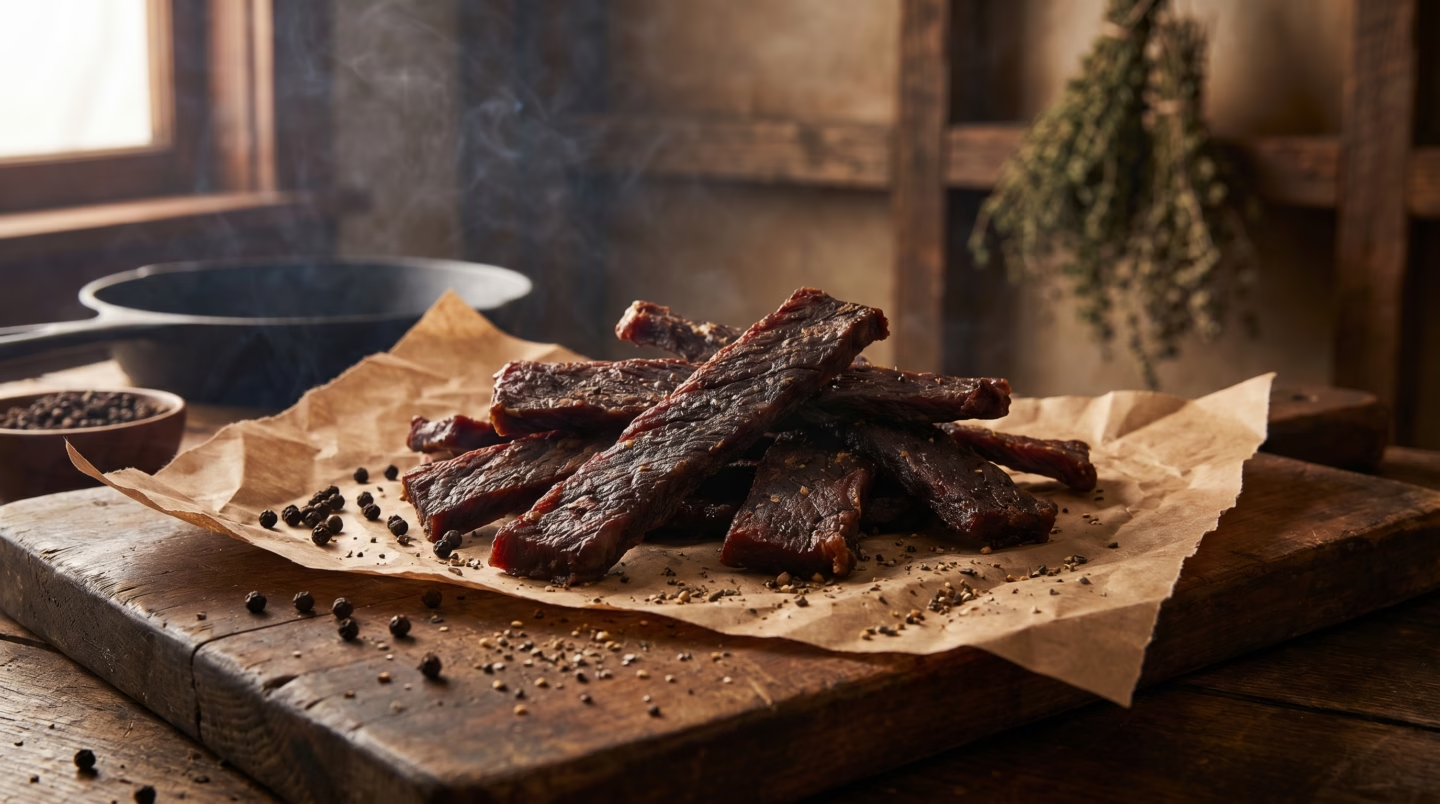
The best beef jerky is the kind that makes you slow down and actually taste what you are chewing: real beef, honest seasoning, and a chew that earns its keep. Most supermarket jerky is unremarkable, and the difference between the forgettable and the genuinely good usually shows up on the ingredient panel long before it shows up in the packaging. This guide cuts through the marketing to three brands worth comparing, each for a different reason, so you can pick the one that fits your taste, your teeth, and your budget.
Our top picks at a glance
Three bags, three different jobs. Here’s the short version before we get into the details. Each name links to its full product page where you can check the current options.
| Pick | Best for | Notes |
|---|---|---|
| People’s Choice Old Fashioned | Best overall | Thick-cut, simply seasoned, deeply beefy with a real chew. Firm bite isn’t for sensitive teeth. |
| Country Archer Grass-Fed | Cleanest ingredients | Grass-fed beef, no added nitrates, tender texture, several flavors. Pricier per ounce. |
| Jack Link’s Original | Most popular / best value | Everywhere you shop, consistent soft chew, big budget bags. Added sugar and preservatives. |
People’s Choice Old Fashioned Beef Jerky
If you only buy one bag, make it this one. People’s Choice is family-made in Los Angeles, and the Old Fashioned line follows an older style of jerky, before brands started chasing sugar and gimmicks. The cut is thick, the seasoning restrained, and the recipe puts the beef first. Among widely sold brands, it is the closest to a traditional homemade jerky.
The chew is the headline. These are substantial strips that make you work for the flavor, with a beefy, faintly smoky, salt-and-pepper profile. The ingredient list is short and readable. One caution: it’s firm. If you have sensitive teeth or dental work, start with something softer.
- Pros: Thick-cut with a genuine, satisfying chew; clean, simple seasoning; real beef-forward flavor; short ingredient list; family-made.
- Cons: Firm texture is tough on sensitive teeth; not as widely stocked in stores as the big names.
Want the full rundown on flavors and sizes? See the People’s Choice Old Fashioned product page for current options.
Country Archer Grass-Fed Beef Jerky
Country Archer is the pick for anyone who reads the back of the bag before the front. The beef is grass-fed, there are no added nitrates, and the recipe leans on ingredients you can pronounce. For people watching what goes into their snacks, this is about as clean as mainstream jerky gets, and the brand has stayed consistent on that promise.
Texture-wise, it’s positioned on the tender side and is noticeably easier to chew than People’s Choice, which makes it a friendlier pick for a wider range of mouths. There are several flavors to explore beyond the original. The trade-off is price: you pay more per ounce here. The sourcing arguably justifies it, but your wallet may feel the difference on a big snacking week.
- Pros: Grass-fed beef; no added nitrates; tender, easy chew; multiple flavors to explore; clean, recognizable ingredients.
- Cons: Pricey per ounce; tender texture won’t satisfy chewers who want a firmer bite.
Check the flavor lineup and sizes on the Country Archer Grass-Fed product page.
Jack Link’s Original Beef Jerky
Let’s be honest about why Jack Link’s is in everyone’s pantry: you can buy it almost everywhere, the texture is reliably soft and chewy, and the big bags stretch a dollar further than almost anything craft. For filling a road-trip cooler or feeding a crowd that just wants something to gnaw on, it’s the pragmatic call.
What you’re trading for that convenience is craft. The Original recipe includes added sugar and preservatives, and the flavor is more candied-savory than beef-forward — closer to a snack product than to traditional dried beef. That’s not a dealbreaker for a lot of people, and the consistency is genuinely impressive. Just go in knowing it’s value and availability first, purity second.
- Pros: Available nearly everywhere; consistent soft-chewy texture; budget-friendly big bags; crowd-pleasing flavor.
- Cons: Contains added sugar and preservatives; less craft character; flavor leans sweet over beefy.
Compare bag sizes and multipacks on the Jack Link’s Original product page.
How to choose the best beef jerky
Finding the best beef jerky for you is less about a single ranking and more about matching a bag to what you actually want out of a chew. Here’s a framework for sizing up an unfamiliar brand.
Cut and texture
Whole-muscle jerky (sliced from a single piece of beef) gives you that traditional, fibrous chew. Thicker cuts like People’s Choice mean a firmer, more deliberate bite; thinner or tenderized strips like Country Archer chew easier. Ground-and-formed jerky is softer and more uniform. Decide whether you want a workout or an easy gnaw, then match accordingly your teeth will thank you.
Ingredients, sugar, and nitrates
Flip the bag over. A short list of beef, salt, spices, and maybe a natural smoke or vinegar is the gold standard. Watch added sugar (some bags hide a surprising amount) and decide how you feel about curing agents. “No added nitrates” brands like Country Archer use celery juice or similar instead; the science on whether that’s meaningfully different is debated, but the ingredient list is cleaner either way.
Protein
Jerky is one of the most protein-dense snacks going often 9 to 12 grams per ounce. If you’re eating it for fuel, check grams per serving and read the serving size honestly (a “serving” is usually smaller than the handful you’ll actually eat). More protein per calorie generally means less filler.
Flavor styles
Original and peppered let the beef speak. Teriyaki, sweet, and barbecue add sugar and can mask lower-quality meat, so heavy sauce is worth treating as a yellow flag on unfamiliar brands. If you’re judging a maker’s quality, start with their plainest flavor it has nowhere to hide.
Price and value
Compare price per ounce, not per bag the front-of-store sticker is misleading. Craft and grass-fed jerky runs higher; mass-market bags run cheaper. Neither is wrong. Decide what you’re optimizing for: the cleanest ingredients, the deepest flavor, or the most chew per dollar.
How we evaluate
Coverage on this site is documentation-based. We read current manufacturer pages and manuals, ingredient and specification panels, packaging information where it is publicly visible, retailer listings, and applicable regulatory or certification records. We state which source a claim comes from.
A page does not say a product was bought, consumed, worn, brewed, or laboratory-tested unless it publishes a dated protocol, the sample source, the conditions, and the evidence. We do not publish invented prices, stock levels, certifications, ratings, or test results, and product pages carry no star score.
Jerky and biltong comparisons focus on what a label can support: protein per ounce, added sugar and sodium, the cut and protein source, curing method, stated certifications such as grass-fed or nitrate-free, and package size against price per ounce.
Flavor, tenderness, chew, and aroma are sensory outcomes. We do not describe them as measured findings, and we do not publish tasting notes as though a panel produced them.
Frequently asked questions
Is beef jerky healthy?
It can be a genuinely good snack: high in protein, low in carbs, and shelf-stable. The catch is sodium and, in some brands, added sugar. If you’re watching salt, jerky is calorie-light but sodium-heavy, so portion accordingly. For a clean profile, lean toward short ingredient lists and skip the candied flavors. As a protein-forward snack eaten in reasonable amounts, it earns its place.
How long does beef jerky last?
An unopened commercial bag typically keeps for several months to a year thanks to its low moisture and packaging check the printed date on the bag. Once opened, eat it within a few days to a week for the best texture, and reseal it tightly or clip the bag. Homemade jerky without preservatives spoils faster and is best refrigerated. For specifics on safe drying temperatures and storage, the USDA’s guidance on jerky safety is worth a read.
Is grass-fed jerky worth it?
If clean sourcing matters to you, yes. Grass-fed beef like Country Archer’s tends to come with a cleaner overall ingredient philosophy and a slightly different, sometimes more mineral-forward flavor. You’ll pay more per ounce for it. Whether that’s “worth it” depends on your priorities flavor purists and ingredient-watchers usually say yes; value shoppers feeding a crowd may not.
Soft or tough jerky which is better?
Neither is objectively better; it’s about preference and, frankly, your teeth. Firmer jerky like People’s Choice gives you that traditional, slow-release chew and often a more concentrated beef flavor. Softer jerky like Jack Link’s or Country Archer is easier on the jaw and quicker to eat. If you have dental sensitivity, go soft. If you want the full ritual, go firm.
What’s the difference between jerky and biltong?
Jerky is typically marinated, then dried with heat, often resulting in a chewier, sometimes sweeter strip. Biltong is cured with vinegar and salt, then air-dried (no heat), giving a different, often more tender texture and a tangier flavor. If you’re curious, it’s worth trying both side by side they’re cousins, not twins. See our guide to the best biltong to dig in.
How much beef jerky is one serving?
Most bags list a serving at about one ounce, which is a small handful of strips. That’s where the protein and sodium numbers on the label come from, so if you eat the whole bag (we’ve all done it), multiply accordingly. For a steady protein snack, an ounce or two is a sensible portion.
The verdict
If you want our single best beef jerky pick, it’s People’s Choice Old Fashioned for its thick cut, clean seasoning and beef-forward chew — just mind the firm bite. Choose Country Archer Grass-Fed if clean, grass-fed ingredients top your list, and grab Jack Link’s Original when availability and value matter most. Browse the full beef jerky category for more options, and if you’re exploring beyond beef, our guides to the best biltong and best turkey jerky are the natural next stops. Whatever you pick, read the bag, mind your teeth, and enjoy the chew.