
A good jerky marinade is the single biggest lever you have over flavor, and most disappointing jerky traces back to a lazy soak. The cut matters and the dryer matters, but the liquid the meat sits in for the better part of a day is what people actually taste. Get the marinade right and even a budget eye of round turns into something worth guarding. Below are six recipes plus a framework for tweaking any of them to your own palate.
The anatomy of a good jerky marinade
Before the recipes, it helps to understand what you’re balancing. A well-built marinade hits six notes. Once you can taste them individually, you stop following recipes blindly and start adjusting like a cook.
- Salt — the backbone. It seasons, draws moisture, and helps preserve. Usually soy sauce, Worcestershire, or plain kosher salt.
- Acid — vinegar, citrus, or wine. It brightens and tenderizes. Go easy: too much turns the surface mushy.
- Sweet — brown sugar, honey, or maple. It rounds sharp edges and helps the surface caramelize as it dries.
- Umami — soy, Worcestershire, fish sauce, or a pinch of MSG. This is the savory depth that makes jerky taste “meaty.”
- Aromatics — garlic, onion, ginger, smoke. The personality of the batch.
- Heat — black pepper, chili flake, sriracha, gochugaru. Optional, but it carries beautifully through drying.
A balanced soak leans salty and savory first, with sweet and acid in support. Wikipedia’s overview notes that a good marinade balances acid, oil and spice, and the same logic holds here, minus heavy oil. (See Marination for background.) If you’re new to the whole process, start with our walkthrough on how to make beef jerky and use these marinades as the flavor layer.
1. Classic Original Jerky Marinade
Ingredients
- 1/2 cup soy sauce
- 1/4 cup Worcestershire sauce
- 2 tbsp brown sugar
- 1 tsp onion powder
- 1 tsp garlic powder
- 1 tsp coarse black pepper
- 1/2 tsp smoked paprika
Method
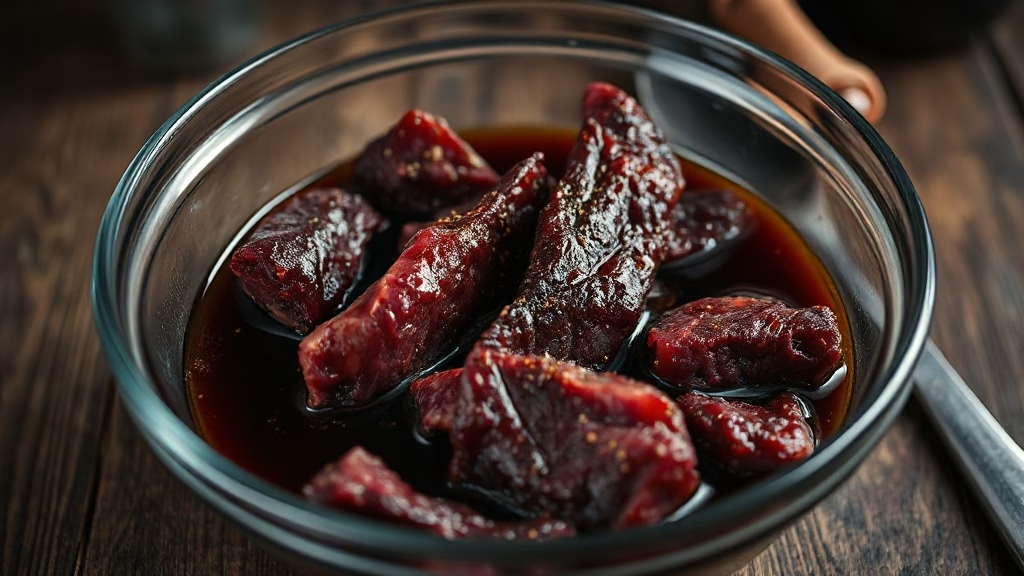
This is the baseline when you want jerky that simply tastes like good jerky. Whisk everything until the sugar dissolves, add about 1.5 to 2 lbs of sliced beef, and toss to coat. It’s salty, savory, and faintly sweet, the baseline every other recipe here builds on.
2. Teriyaki Jerky Marinade
Ingredients
- 1/2 cup soy sauce
- 1/4 cup pineapple juice
- 3 tbsp brown sugar
- 1 tbsp rice vinegar
- 2 tsp grated fresh ginger
- 2 cloves garlic, minced
- 1 tsp toasted sesame oil
Method
Pineapple juice brings sweetness and a gentle enzymatic tenderizing, so don’t go past 12 hours on this one or the texture softens too much. Combine, coat the meat, and chill. The result is glossy, sweet-savory, and a crowd favorite with kids.
3. Sweet & Spicy Honey-Sriracha Jerky Marinade
Ingredients
- 1/3 cup soy sauce
- 3 tbsp honey
- 2 tbsp sriracha
- 1 tbsp rice vinegar
- 1 tsp garlic powder
- 1/2 tsp red pepper flake
Method
Warm the honey slightly so it whisks in cleanly, then cool the mix before adding meat. The heat builds as the jerky dries and concentrates, so the sriracha tastes hotter in the finished piece than it does in the bowl. Start at 2 tbsp and scale up next batch if you want more burn.
4. Peppered Jerky Marinade
Ingredients
- 1/2 cup soy sauce
- 2 tbsp Worcestershire sauce
- 1 tbsp brown sugar
- 2 tbsp coarsely cracked black pepper
- 1 tsp garlic powder
- 1/2 tsp white pepper
Method
For real peppered jerky, half the pepper goes in the marinade and half gets pressed onto the strips right before drying. Crack whole peppercorns coarsely rather than using pre-ground; the bite is sharper and the texture is part of the appeal. Marinate, then press on the reserved pepper and lay strips out.
5. Smoky BBQ Jerky Marinade
Ingredients
- 1/3 cup soy sauce
- 3 tbsp ketchup or tomato paste
- 2 tbsp brown sugar
- 1 tbsp apple cider vinegar
- 1 tsp smoked paprika
- 1/2 tsp liquid smoke
- 1 tsp garlic powder
Method
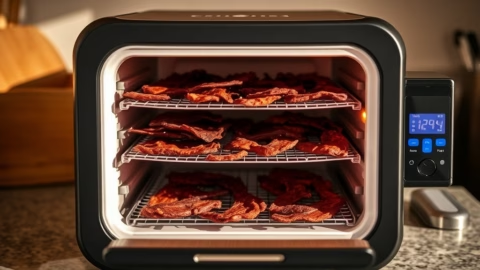
This one tastes like a backyard cook without firing up the smoker. Liquid smoke is potent, so measure it, don’t pour it. Whisk until smooth, coat the meat, and chill. The tomato gives a tangy-sweet finish that pairs especially well with a dehydrator that holds steady low heat, like the Cosori dehydrator.
6. Korean-Inspired Soy-Sesame Jerky Marinade
Ingredients
- 1/2 cup soy sauce
- 2 tbsp brown sugar
- 1 tbsp toasted sesame oil
- 1 tbsp rice vinegar
- 1 tbsp gochugaru (Korean chili flake)
- 3 cloves garlic, minced
- 1 tsp grated ginger
- 1 tsp toasted sesame seeds
Method
Think bulgogi, dried. The sesame oil and gochugaru give a nutty, mellow heat that’s distinct from the sriracha batch. Stir well so the garlic and ginger distribute, coat the strips, and chill. Sprinkle extra sesame seeds on before drying for a little texture and looks.
How long to marinate jerky
For most cuts, 6 to 24 hours in the refrigerator is the sweet spot. Under 6 hours and the flavor stays surface-level; past 24 hours the salt and acid can start to make the meat pasty rather than pleasantly seasoned. Mixing in the evening and drying the next morning lands conveniently around 12 to 16 hours. Always marinate cold, never on the counter, and use a zip-top bag or a glass or food-safe plastic container so the liquid stays in contact with every strip. Pick the right meat first with our guide to the best cuts of beef for jerky.
Tips for better jerky from any marinade
- Pat the strips dry before they go on the trays. Surface liquid slows drying and can leave a tacky film; a quick blot with paper towels fixes it.
- Keep it cold the whole time. Marinate in the fridge and chill the bowl if your kitchen runs warm.
- Slice consistently. Even thickness, about 1/4 inch, means everything finishes at the same time.
- Don’t crowd the trays. Air needs to move. For tray capacity and temperature control, see our best jerky dehydrator guide.
Jerky marinade FAQ
How long should I marinate jerky?
Six to 24 hours in the fridge covers nearly every cut. Twelve to 16 hours is a good default for deep flavor without softening the texture. Recipes with pineapple or heavy acid lean toward the shorter end.
Do I need curing salt?
Not strictly for flavor. Curing salt (sodium nitrite) is about food safety and shelf life, especially if you’re drying at lower temperatures or storing longer. If you skip it, dry thoroughly, refrigerate the finished jerky, and eat it within a week or two.
Can I reuse the marinade?
No. Once raw meat has soaked in it, the marinade can carry bacteria and should be discarded. If you want a sauce or glaze from the same flavors, make a fresh batch, or boil leftover marinade hard before any use.
What are good low-sodium options?
Use low-sodium soy sauce or coconut aminos and cut added salt. Lean harder on aromatics, vinegar, and a little extra heat or sweet to keep the flavor full without the sodium load. Taste the raw marinade and adjust.
Final thoughts
The best part about a good jerky marinade is that it’s forgiving once you understand the six building blocks. Start with the Classic Original, learn how salt, acid, sweet, umami, aromatics and heat play against each other, then branch into teriyaki, honey-sriracha or the soy-sesame Korean batch. Keep it cold, pat the strips dry, never reuse the soak, and heat the meat to a safe temperature before drying. For more inspiration, browse our picks for the best beef jerky to see which flavors are worth chasing.