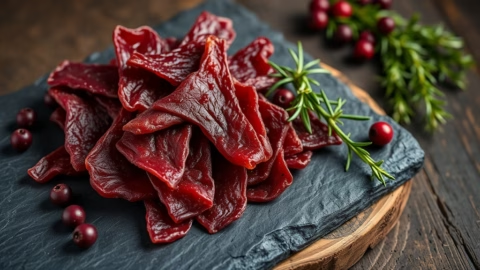

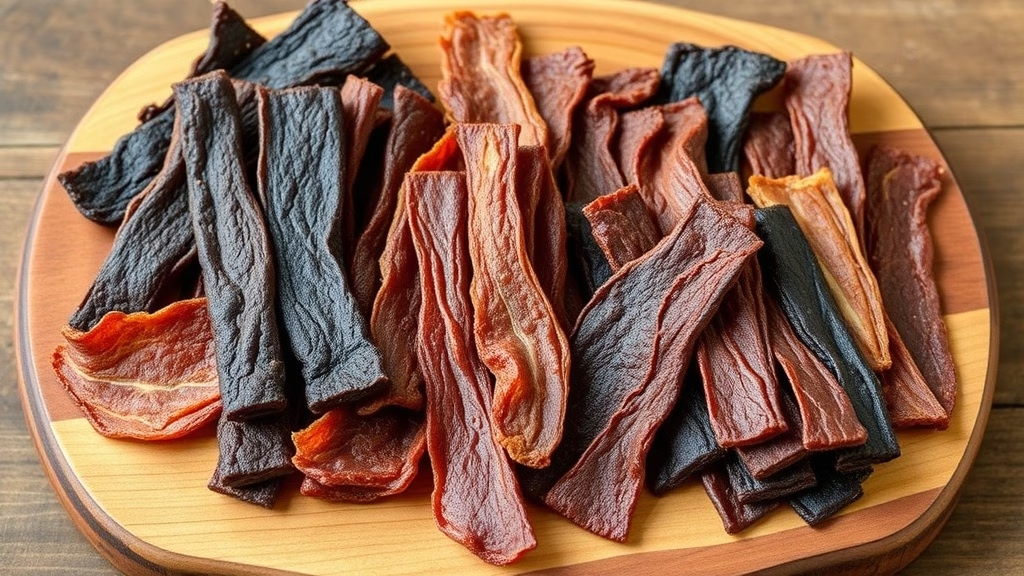
Beef dominates the jerky market for obvious reasons — it is widely available, consistent, and a known quantity. But some of the most interesting jerky comes from less common meat sources that offer different flavor profiles, nutritional advantages, and sourcing stories. Here is what to expect from the main alternatives.
Bison jerky
Bison is the closest alternative to beef in texture and flavor, but with several meaningful differences. Bison is naturally leaner than beef — typically 2–3 grams of fat per ounce compared to 5–8 grams in beef — which produces jerky that is slightly chewier and drier because there is less fat to keep it moist. The flavor is slightly sweeter and less intensely beefy, which some people find cleaner.
Most commercially available bison in the US is ranch-raised rather than wild, but many producers use animals that spend most of their lives on pasture, which results in a more natural fat profile than grain-finished feedlot beef. Look for labels that specify grass-fed or pasture-raised for the best quality.
Elk and venison jerky
Wild game jerkies have a distinct, slightly gamey flavor that is more pronounced in venison than in elk. Elk jerky is often described as the most approachable wild game option — its flavor is somewhere between beef and venison, with a slightly sweet, clean finish. Both are extremely lean, which produces a very firm, dry jerky.
Commercial elk and venison jerky is typically farmed rather than wild-caught, which moderates the game flavor compared to home-made venison jerky from a hunter's own deer. If you want the most distinctive wild game flavor, home-made with wild-harvested venison is the real thing — our venison jerky recipe covers the blood-soak step that removes the gamey edge.
Salmon jerky
Salmon jerky occupies a completely different category from meat jerky. The texture is soft and flaky rather than chewy, the flavor is intensely savory and slightly smoky, and the preservation challenge is different (fish has different water activity requirements than red meat). A well-made salmon jerky is excellent — high in protein, rich in omega-3 fatty acids, and complex in flavor from the smoke and salt interaction. A poorly made one is fishy and unpleasantly soft.
The key quality marker for salmon jerky is salmon as the first (and preferably only protein) ingredient, with a simple seasoning. Wild-caught Pacific salmon (especially sockeye) produces better jerky than farmed Atlantic salmon because the lower fat content of wild fish dries more cleanly.
Other exotic options
Turkey jerky is the most mainstream “alternative,” with a milder flavor than beef and lower fat content. Alligator and ostrich jerkies are occasionally available from specialty producers. Wagyu beef jerky is worth trying if you find it — the higher marbling of Wagyu produces a uniquely tender, rich jerky that is nothing like standard beef jerky.
See our full jerky rankings for specific product reviews across all meat types, including exotic options we have tested.