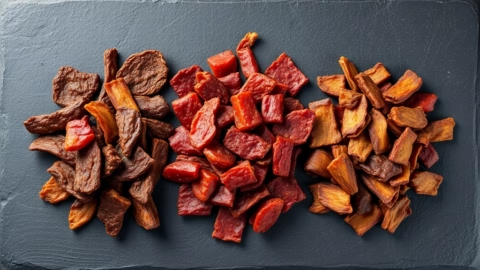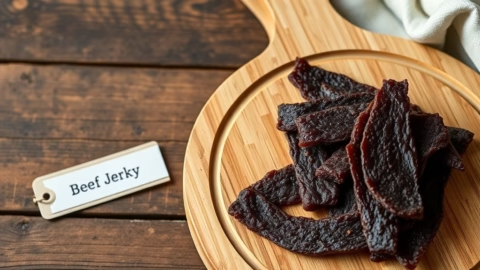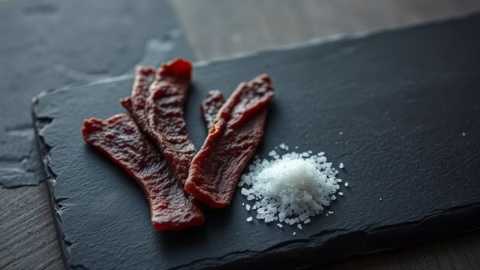

How long does jerky last? The honest answer depends on three things: whether it was commercially sealed, whether you’ve opened it yet, and how much fat and moisture is in the meat. The rules below follow USDA guidance on drying and storing meat, plus the practical limits of home storage. Get them right and your jerky stays safe, chewy and worth eating. Get them wrong and you’re chewing on something stale, greasy or worse.
The Quick Answer
Commercial, unopened jerky is good until roughly the best-by date printed on the bag, often about a year from packaging, thanks to vacuum sealing and oxygen absorbers. Once you open that bag, plan on eating it within 1-2 weeks for the best texture and safety. Homemade jerky has no preservatives or special packaging, so it lasts about 1-2 weeks at room temperature, and longer if you refrigerate or freeze it.
Here’s the rule that ties it all together: the more fat and moisture jerky carries, the faster it turns. Lean, fully dried, properly stored jerky lasts; fatty, slightly underdried jerky does not. Keep that in mind and the rest is just details.
Jerky Shelf Life at a Glance
| Type of jerky | Shelf life | Notes |
|---|---|---|
| Commercial, unopened | Up to ~1 year (until best-by date) | Vacuum-sealed with oxygen absorber; store cool and dark |
| Commercial, opened | 1-2 weeks | Reseal tightly; refrigerate to stretch it further |
| Homemade, room temperature | 1-2 weeks | Airtight container; lower fat lasts longer |
| Homemade, refrigerated | 3-4 weeks | Keeps moisture out of play and slows spoilage |
| Homemade, frozen | Several months to a year | Best long-term option; thaw before eating |
Treat these as practical ranges, not guarantees. When in doubt, trust your eyes and nose over any chart, including this one.
4 Proven Storage Rules
These four habits do the heavy lifting. Follow them and you’ll rarely lose a batch.
1. Keep It Airtight, Cool, and Dark
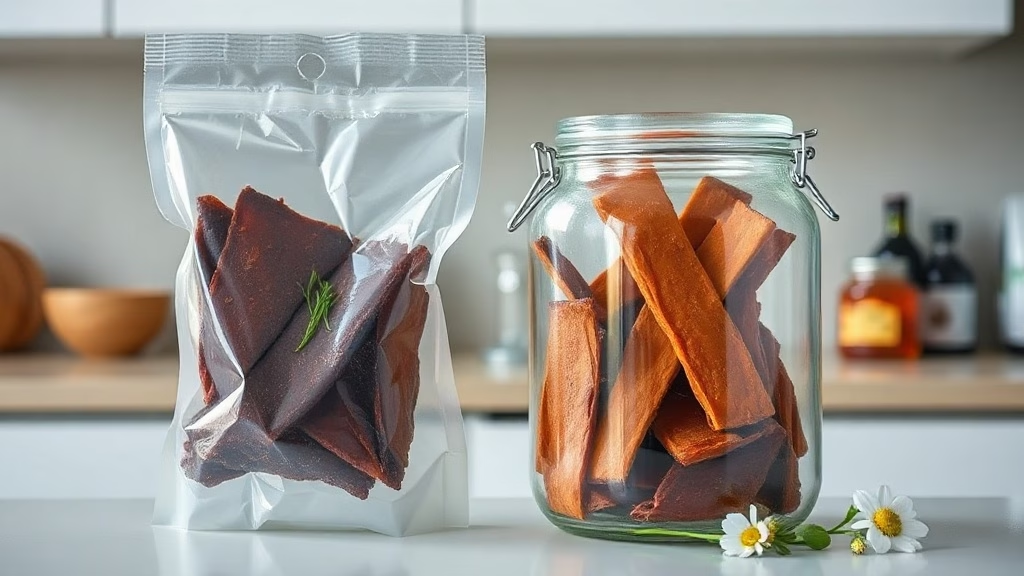
Air, heat, and light are the enemies of dried meat. Oxygen lets fat go rancid and invites mold; warmth and sunlight speed both up. Store jerky in an airtight container, a zip bag with the air squeezed out, or a resealed vacuum pouch. A cupboard or pantry away from the stove and window is ideal. If you bought a multi-pack, only open one bag at a time and leave the rest sealed.
2. Refrigerate or Freeze for the Long Haul
Room temperature is fine for a couple of weeks, but cold buys you real time. The fridge slows fat oxidation and bacterial growth, pushing homemade jerky to 3-4 weeks. The freezer is your best friend for stocking up: well-wrapped jerky keeps for months without losing much. Freeze in small portions so you only thaw what you’ll eat, and let it come back to room temperature before snacking.
3. Fight Moisture With a Desiccant
Moisture is what wakes up mold and bacteria. That little oxygen-absorber or silica packet in a store bag isn’t trash; it’s keeping your jerky dry, so leave it in. For homemade batches, drop a food-safe desiccant packet into the container, and never seal jerky while it’s still warm, since trapped steam creates exactly the humid pocket you’re trying to avoid. Cool it fully first.
4. Trim the Fat and Dry It Fully (Homemade)
If you make your own, this rule matters most. Fat doesn’t dry out the way muscle does, and it’s the first thing to go rancid, so trim it off before you ever start. Dry the meat until it’s leathery and bends without snapping, with no soft or moist spots. Underdried jerky looks done but spoils fast. A good dehydrator gives you the steady, even heat that gets you there; see our guide to picking the best jerky dehydrator if you’re shopping for one.
Signs Your Jerky Has Gone Bad
Dried meat hides spoilage better than fresh, so know what to look for. Toss the whole batch if you see or smell any of these:
- Mold: fuzzy white, green, or black spots, often starting where fat sat. Never cut around it; throw it all out.
- Off or sour smell: good jerky smells smoky and savory. A sour, musty, or chemical odor means it’s done.
- Slimy or sticky surface: a tacky, wet film is bacterial growth. Discard it.
- Rancid fat: a sharp, paint-like, or bitter taste signals the fat has oxidized. Spit it out and pitch the rest.
When something seems off, don’t gamble on a sniff-and-eat. The cost of a ruined batch is a few dollars; the cost of eating spoiled meat is a miserable night or worse.
Does Jerky Go Bad? A Word on Safety
Yes, jerky absolutely goes bad, even though its low moisture makes it shelf-stable longer than fresh meat. Drying and curing slow spoilage; they don’t stop it forever. Commercial brands lean on vacuum sealing and additives to hit those long dates, while homemade jerky relies entirely on how well you dried and stored it. The U.S. Department of Agriculture covers safe drying temperatures and handling in detail on its jerky and food safety page, and it’s worth a read if you make your own. Curious how jerky stacks up nutritionally? We dig into that in is beef jerky healthy.
Frequently Asked Questions
Can you eat jerky after the best-by date?
A best-by date is about quality, not a hard safety cliff. Unopened commercial jerky stored cool and dry is often fine for a short while past it, but check for mold, off smells, and rancid fat first. If anything looks or smells wrong, don’t risk it.
Does jerky need to be refrigerated?
Not for short-term storage. Properly dried and sealed jerky is shelf-stable for a couple of weeks at room temperature. Refrigeration isn’t required, but it noticeably extends freshness, especially for homemade or opened bags.
How do you store jerky long term?
Freeze it. Portion the jerky into airtight bags with the air pressed out, label them, and freeze. It holds quality for months, and you simply thaw a portion when you want it.
Why did my homemade jerky mold so fast?
Almost always underdrying or trapped moisture. If it still had soft spots, or you sealed it warm, you created humidity inside the container. Dry it fully next time and let it cool completely before storing.
The Bottom Line
How long jerky lasts comes down to packaging, whether it’s opened, and how lean and dry it is. Unopened commercial jerky keeps about a year; once opened, eat it within a week or two; homemade runs 1-2 weeks at room temperature and far longer chilled or frozen. Store it airtight, cool, and dry, fight moisture, and trust your senses over any date. Want to taste the difference a clean, well-made batch makes? Browse our best beef jerky picks, including this reliable People’s Choice beef jerky.