
Is beef jerky healthy? The honest answer is that it depends on the jerky and the portion. Beef jerky can be a genuinely smart, high-protein snack, but some products are loaded with sodium and added sugar that change the math. Below are the real numbers, the upsides, the trade-offs, and how to choose a better bag.
A quick note up front: this is general information, not medical advice. If you have a specific health condition, talk to a qualified clinician or registered dietitian before making changes to your diet.
The Honest Answer: A High-Protein Snack With a Few Catches
Beef jerky is dried, lean muscle meat, which means it concentrates protein into a small, shelf-stable package. A typical 1-ounce (28g) serving delivers roughly 9 to 14 grams of protein with very little carbohydrate, according to entries in the USDA’s FoodData Central database. That protein density is the main reason jerky has a healthy reputation.
The catches are real, though. Because jerky is cured and seasoned, it tends to be high in sodium, and many mainstream brands add sugar to balance the salt. It is also a processed meat, a category that warrants moderation. None of these points make jerky unhealthy on its own, but they explain why the answer is rarely a flat yes.
Upside: Protein Density
Protein supports muscle maintenance and helps you feel full. Few portable snacks pack as much per ounce as jerky, which makes it a favorite among hikers, lifters, and anyone trying to hit a protein target without a cooler.
Upside: Low in Carbohydrates
Most unsweetened jerky is naturally low in carbs, which is why it fits cleanly into low-carb and keto-style eating. Watch for sweetened varieties, where added sugar can quietly push carbohydrates up.
Upside: Satiety and Snack Control
Chewy, protein-rich foods take time to eat and tend to be satisfying. A small portion of jerky can curb hunger between meals more effectively than a handful of crackers or chips.
Upside: Portable and Shelf-Stable
Drying removes the moisture that bacteria need, so jerky travels well without refrigeration. For curious readers, the science of why is covered in our guide to how long jerky lasts.
Downside: Sodium
Sodium is jerky’s biggest nutritional flag. A single ounce can carry 400 to 600+ milligrams, a meaningful chunk of the daily limit many guidelines suggest. If you eat several servings, the total adds up quickly.
Downside: Added Sugar
Teriyaki, honey, and barbecue styles often contain added sugar. It is not disqualifying, but it is worth scanning the label if you are managing sugar intake or eating low-carb.
Downside: Processed-Meat Considerations
Jerky is a processed meat, and many products use curing agents such as nitrates or nitrites. Public-health bodies generally advise treating processed meats as an occasional food rather than a daily staple. Moderation is the practical takeaway.
Downside: Price
Good jerky is not cheap. Because it takes roughly two to three pounds of fresh beef to make one pound of jerky, quality bags command a premium. That is a budget consideration more than a health one, but it shapes how much you eat.
How to Choose a Healthier Beef Jerky
The gap between a smart snack and a salty sugar bomb usually comes down to the label. A little scrutiny goes a long way toward making jerky a regular part of a balanced diet.
Read the Nutrition Label
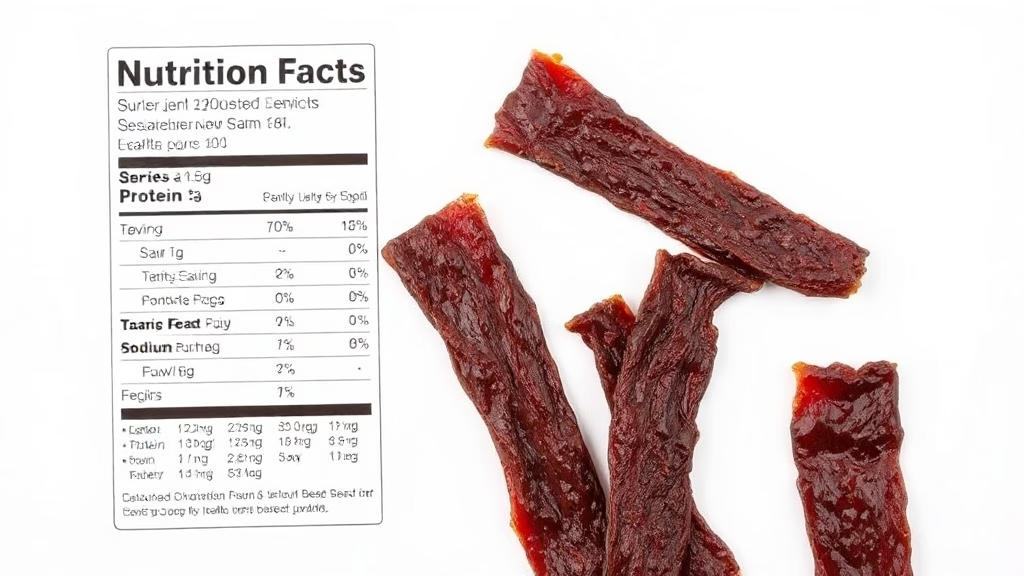
Check sodium and sugar per serving, and note the serving size, which is often smaller than the bag suggests. Comparing two products side by side reveals how much they differ.
Look for Short Ingredient Lists
Beef, salt, spices, and a touch of vinegar or fruit-based sweetener is a good sign. Long lists with multiple sugars and additives are a cue to keep looking.
Favor Low or No Added Sugar
Plain, peppered, or naturally seasoned options usually carry less sugar than glazed flavors. Many quality makers, like the cuts we cover on our Country Archer beef jerky page, lean on real seasoning instead of sweetener.
Consider Grass-Fed and Simple Cures
Grass-fed beef and minimally processed cures appeal to shoppers who want fewer additives. If air-dried, salt-cured meat interests you, our best biltong guide covers a leaner, typically sugar-free cousin. For a full roundup of vetted picks, see our best beef jerky guide.
Who Should Be Cautious
If you are sodium-sensitive, manage high blood pressure, or live with kidney disease, jerky’s salt load deserves extra attention. The same goes for anyone advised to limit processed meats. This is not a reason to panic over an occasional serving, but it is a reason to be deliberate. Please treat this as general information and speak with your doctor or a registered dietitian about what fits your situation; this is not medical advice.
Frequently Asked Questions
Is beef jerky good for weight loss?
It can help, mainly because protein is filling and a measured portion is calorie-modest. The key is portion control and choosing low-sugar options, since it is easy to eat through a whole bag without noticing.
Is beef jerky keto-friendly?
Plain, unsweetened jerky usually fits a keto approach because it is high in protein and low in carbs. Sweetened or glazed styles can carry enough added sugar to matter, so check the label.
How much beef jerky can I eat per day?
There is no official limit, but a single 1-ounce serving as an occasional snack is a sensible frame for most people, largely because of the sodium. If you eat it daily, factor that salt into your overall intake.
Is beef jerky healthier than chips?
Ounce for ounce, jerky generally offers far more protein and fewer refined carbs than potato chips, which can make it the more satisfying choice. The trade-off is sodium, so it is not a free pass.
The Bottom Line
So, is beef jerky healthy? For most people, a sensible portion of low-sugar, simply made jerky is a high-protein, low-carb snack that earns its place in a balanced diet, as long as you respect the sodium and treat processed meat as an occasional food. Read the label, mind your portion, and you can enjoy it without overthinking it. If you have a health condition, loop in a clinician to be sure it fits your plan.