
Standard beef jerky is high in sodium — often 300–600mg per ounce, which is 13–26% of the recommended daily intake in a single ounce of a snack. That sodium comes from two sources: sodium as a flavor component and sodium as a preservative. For anyone watching sodium intake, finding genuinely lower-sodium jerky requires knowing which brands are reducing sodium for flavor versus which are using other preservation methods to reduce it safely.
Why jerky is high in sodium
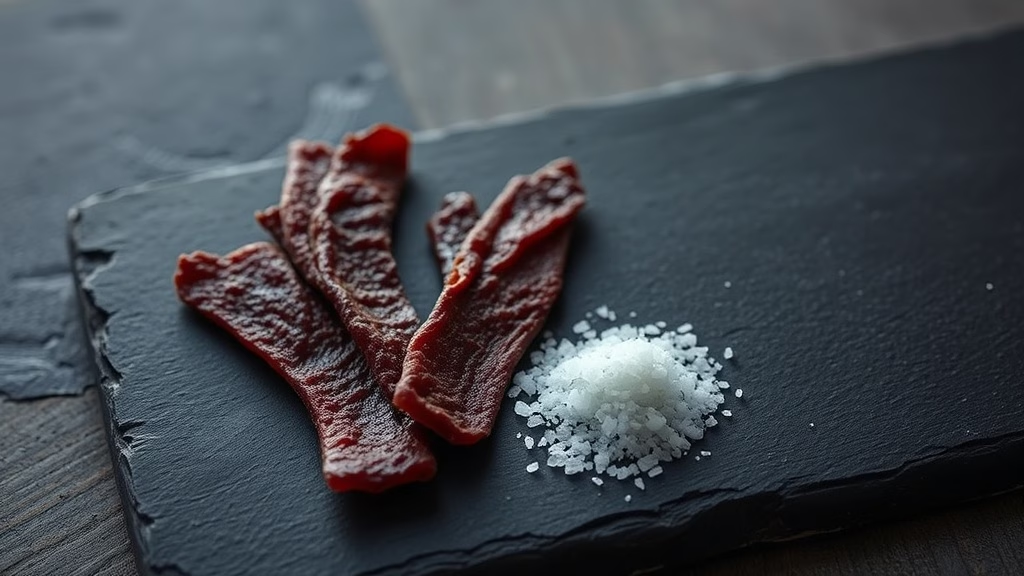
Traditional jerky relies on salt as one of its primary preservation mechanisms. Salt draws moisture out of meat through osmosis (which both concentrates flavor and creates an inhospitable environment for bacterial growth) and directly inhibits bacterial metabolism. Before refrigeration, high salt content was not optional — it was how dried meat was kept shelf-stable.
Modern jerky has options that old-world jerky did not: the dehydration process itself removes enough moisture to inhibit most bacterial growth even at lower salt levels, provided the jerky is dried to the correct water activity level. This is why some artisan brands can produce safe, shelf-stable jerky with significantly less sodium than mass-market brands.
What low-sodium actually means on a label
Under FDA labeling rules:
- Low sodium: 140mg or less per serving
- Reduced sodium: At least 25% less than the regular version of the same product
- Light in sodium: At least 50% less than the regular version
Check the serving size when comparing sodium numbers. Many jerky brands use 1-ounce (28g) servings, but some use ¾-ounce servings to make the sodium number look smaller.
What to look for
First ingredient should be meat, not a sodium compound. Sodium chloride (salt), soy sauce, tamari, and sodium nitrate all appear frequently in jerky ingredient lists. Fewer sodium-containing ingredients usually means less total sodium.
No added nitrates or nitrites. These preservatives are sodium-based and contribute meaningfully to sodium content, particularly in mass-market brands. Jerky without them typically relies more on drying for preservation and uses less total sodium.
Artisan and small-batch brands. Small-batch jerky producers are more likely to make true low-sodium versions than mass-market brands, where high sodium is both a flavor choice and a formula constraint across millions of units. Look for brands that explicitly state sodium content per ounce and use simple ingredient lists.
Home-made: the best low-sodium option
Making your own jerky is the most reliable path to genuinely low-sodium results. You control every ingredient. A marinade built around garlic, black pepper, smoked paprika, apple cider vinegar, and a small amount of low-sodium soy sauce can produce excellent jerky at under 150mg sodium per ounce.
See our dehydrator reviews for equipment recommendations if you are starting home jerky making, or our beef jerky reviews for the best commercial low-sodium options we have tested.