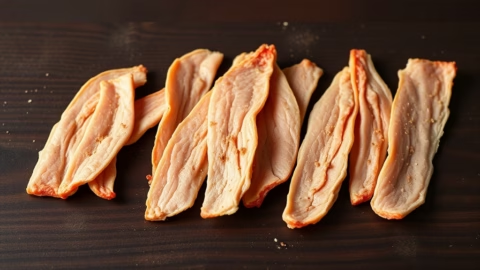

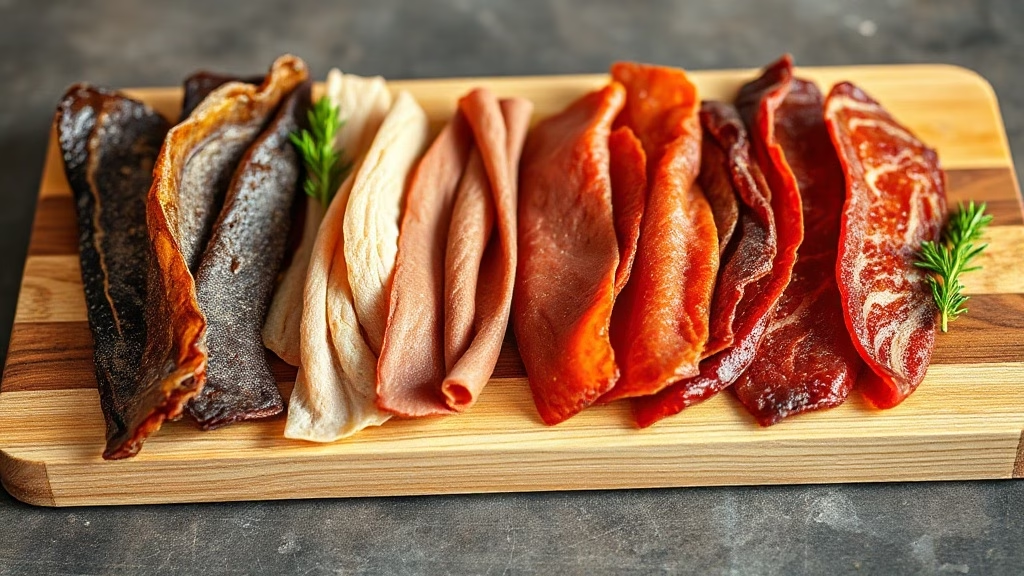
Turkey jerky is consistently marketed as the “healthier” alternative to beef, and on paper the fat numbers back that up. But nutrition comparisons that stop at fat content miss most of the real picture — protein density, sodium, and how the numbers change once you account for typical serving differences all matter too.
Calories and Fat: Where Turkey Wins Clearly
Per ounce of finished jerky, turkey typically runs 70–80 calories with 1–2g of fat, while beef jerky runs 80–110 calories with 3–7g of fat depending on the cut and how well it was trimmed (see our guide to jerky-appropriate beef cuts for how cut selection affects this). This gap is real and consistent across most commercial products — turkey breast is simply a leaner starting material than most beef cuts used for jerky.
Protein: Closer Than You’d Expect
This is where the “turkey is healthier” narrative gets more nuanced. Both turkey and beef jerky run 9–13g of protein per ounce, with beef often coming in slightly higher per ounce due to its denser muscle fiber structure. If protein is your primary goal, the difference between turkey and beef jerky is marginal — both are excellent sources, and the choice shouldn’t be driven by protein content alone.
Sodium: Similar Across Both
Sodium content in jerky comes primarily from the curing and preservation process, not the meat itself, so turkey and beef jerky land in a similar range — typically 300–500mg per ounce for standard commercial products. If sodium is a concern, the meat type matters far less than the specific brand and formulation. See our low-sodium jerky guide for how to find genuinely lower-sodium options regardless of protein source.
Micronutrients: Different Profiles
Beef jerky is a notably strong source of iron (particularly heme iron, which is more bioavailable than the non-heme iron in plant sources) and zinc. Turkey jerky provides less iron but is comparably rich in B vitamins, particularly B6 and niacin. Neither is objectively “more nutritious” — they offer different micronutrient strengths depending on what you’re trying to get more of in your diet.
Texture and Satiety
An often-overlooked practical factor: beef jerky’s higher fat content contributes to satiety (feeling full) more than turkey jerky’s leaner profile. If you’re using jerky as a between-meal snack specifically to curb hunger, beef’s fat content may make it more effective for that purpose ounce-for-ounce, even though it’s higher in calories.
Which Should You Choose?
- Choose turkey if you’re specifically managing total fat or calorie intake, or if you simply prefer the milder flavor profile.
- Choose beef if you want more iron and zinc, prefer a more filling snack, or prefer beef’s more intense, traditional jerky flavor.
- Either works well if your primary goal is protein — the difference between them on that front is not large enough to be the deciding factor.
See our full nutritional breakdown of beef jerky for more detail, or our turkey jerky recipe if you want to control the exact nutrition profile by making your own.