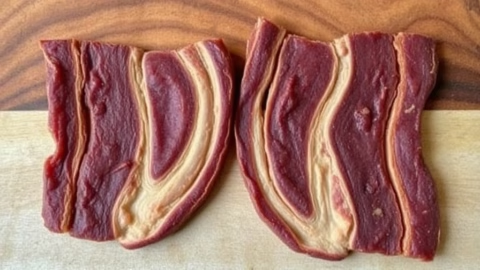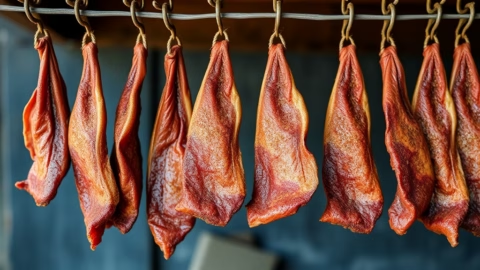

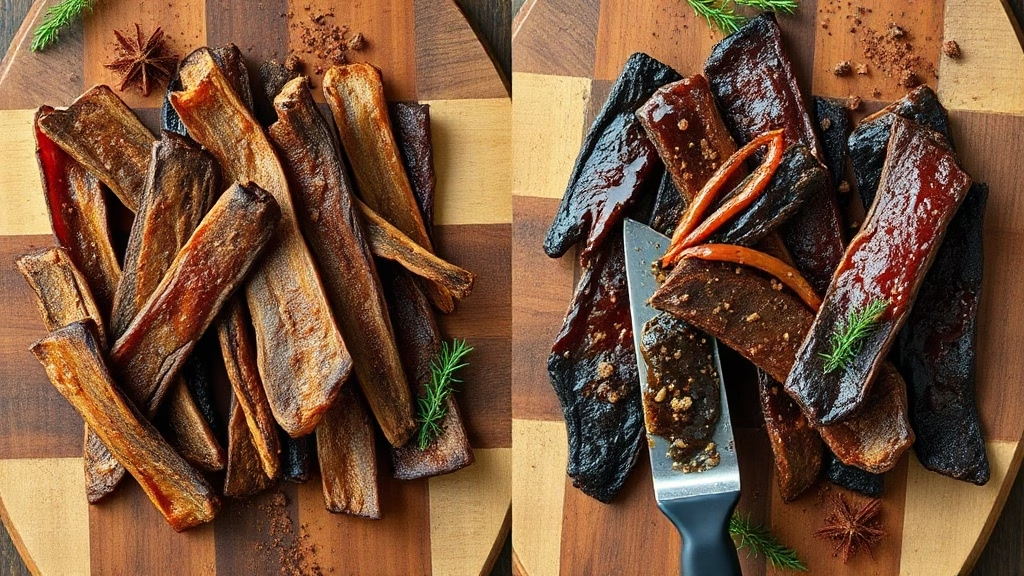
The biltong vs jerky question usually comes from someone holding a bag of one and squinting at the other. They look like cousins, but they grew up in different houses. Jerky is an American road-trip classic: lean strips marinated, then dried with heat and often a touch of smoke. Biltong is South African through and through: whole cuts cured in vinegar and salt, dressed with coriander and hung to air-dry slowly. Both are dried beef, both pack protein, and both belong in your bag. But how they are made, and how they taste, are genuinely different. Here is what separates them.
The quick answer
Here’s the short version before we get into the weeds. Jerky is marinated and then heat-dried, frequently smoked, which gives it that chewy bite and, in a lot of commercial styles, a sweet or sticky glaze. Biltong is cured first in vinegar and salt, seasoned heavily with coriander, then air-dried at cool temperatures without any added heat or smoke. The result is more tender, more savory, and tangy from the vinegar rather than sweet. If you remember nothing else: jerky is dried with heat, biltong is cured then air-dried. That single distinction drives almost everything else you taste.
Biltong vs jerky at a glance
A side-by-side makes the whole thing click. Here’s how the two stack up across the traits that actually change the eating experience.
| Trait | Jerky | Biltong |
|---|---|---|
| Curing | Marinade (soy, sugar, spices), short soak | Vinegar & salt cure, longer rest |
| Drying method | Heat-dried, often smoked | Air-dried at cool temperature, no smoke |
| Signature spice | Pepper, sweet/savory marinade, smoke | Coriander, black pepper, sometimes clove |
| Texture | Chewy, firm, sometimes tough | Tender, easy to bite, sliceable |
| Sugar | Often present; many sweet styles | Usually little to none |
| Origin | North America (term from Quechua ch’arki) | South Africa (Dutch settlers) |
6 real differences that matter
Now the meat of it. These are the six differences that explain why the two snacks feel so distinct in the hand and on the tongue.
1. Curing: marinade versus vinegar-and-salt
Jerky starts life in a marinade. Strips of lean beef soak in a liquid that usually carries soy, Worcestershire, sugar, and spices, sometimes for just a few hours. That soak seasons the meat and tenderizes it a little before drying. Biltong takes a different road entirely. The cut gets rubbed and rested in vinegar and coarse salt, which both seasons and helps preserve the meat. That vinegar is where biltong’s signature tang comes from, and it’s the first fork in the road between these two.
2. Drying method: heat versus air
This is the big one. Jerky is dried with heat, whether in a dehydrator, a low oven, or a smoker. Heat speeds the process and, when smoke is involved, layers in that campfire flavor so many of us love. Biltong gets none of that. It hangs in a cool, airy space and dries slowly over days. No heat, no smoke. That patience is exactly why biltong keeps a softer, more steak-like character instead of cooking firm.
3. Spice profile: smoke-and-sweet versus coriander
Walk past a jerky setup and you’ll smell pepper, smoke, and something sweet. Walk past a biltong rack and the air is coriander, warm and citrusy, with black pepper close behind. Coriander is the heart of traditional biltong seasoning, occasionally joined by clove or nutmeg. Jerky leans on its marinade and smoke. Same animal, two completely different spice cabinets.
4. Texture: chewy versus tender
Jerky is chewy by design. Thin strips dried with heat firm up into that satisfying, jaw-working bite, and some styles get genuinely tough. Biltong is the tender one. Because it dries slowly from thicker pieces, you can slice it across the grain into pieces that nearly melt, or leave it firmer at the core if you like a “wet” biltong. If chewiness is what you crave, jerky wins. If you want tender, biltong is your friend.
5. Sugar: sweet glaze versus savory
A lot of American jerky is sweet. Brown sugar, honey, teriyaki glazes, they’re everywhere, and for many folks that sweet-savory combo is the whole appeal. Traditional biltong runs savory with little or no added sugar, since the flavor leans on vinegar, salt, and coriander instead. If you’re watching sugar, biltong is usually the cleaner pick, though always read the label, because recipes vary by maker.
6. Origin: the Americas versus South Africa
The histories explain a lot. The word jerky traces back through Spanish to the Quechua term ch’arki, meaning dried meat, with deep roots in the Americas. Biltong came from Dutch settlers in South Africa who needed to preserve meat without refrigeration, and the vinegar-cure, air-dry method was their answer. You can read more about that lineage in the Wikipedia entry on biltong. Two continents, two problems, two delicious solutions.
Which one should you choose?
It comes down to what you’re after. Reach for jerky when you want that chewy, smoky, sometimes-sweet snack, the kind that feels right on a long drive or tucked in a hiking pack. It’s familiar, bold, and there’s a flavor for every palate. Reach for biltong when you want something more tender and savory, closer to eating seasoned dried steak, with a tangy coriander edge and typically less sugar. If you’re chasing protein with minimal sweetness, biltong often has the advantage. Plenty of jerky fans end up keeping both around once they try a good biltong. If you want a place to start, browse our roundup of the best biltong or, if you lean the other way, our picks for the best beef jerky.
Frequently asked questions
Is biltong healthier than jerky?
Not automatically, but it often carries less sugar because traditional biltong skips the sweet marinades common in jerky. Both are protein-dense. The real answer is on the label, so compare sugar, sodium, and ingredients on the specific products you’re choosing between.
Does biltong taste like jerky?
They’re in the same family but taste distinct. Jerky tends to be chewy, smoky, and sometimes sweet. Biltong is more tender and savory with a tangy, coriander-forward flavor from its vinegar cure. If you like one, it’s well worth trying the other.
Why is biltong more tender than jerky?
Because of the drying. Biltong air-dries slowly at cool temperatures from thicker cuts, so it stays soft and sliceable. Jerky dries with heat from thin strips, which firms it into that classic chewy texture.
Can I try both to compare?
Absolutely, and it’s the quickest way to learn the difference. Grab a bag of Kalahari Biltong alongside some People’s Choice Beef Jerky and taste them back to back. That side-by-side bite tells you more than any article can.
The bottom line
The biltong vs jerky question doesn’t really have a loser. Jerky gives you chewy, smoky, often-sweet satisfaction with deep roots in the Americas. Biltong offers tender, tangy, coriander-spiced savoriness born in South Africa. The differences come down to how each is cured and dried, and those choices ripple through every bite. The practical advice is simple: keep both in the pantry, match the snack to your mood, and let your own taste settle the debate.