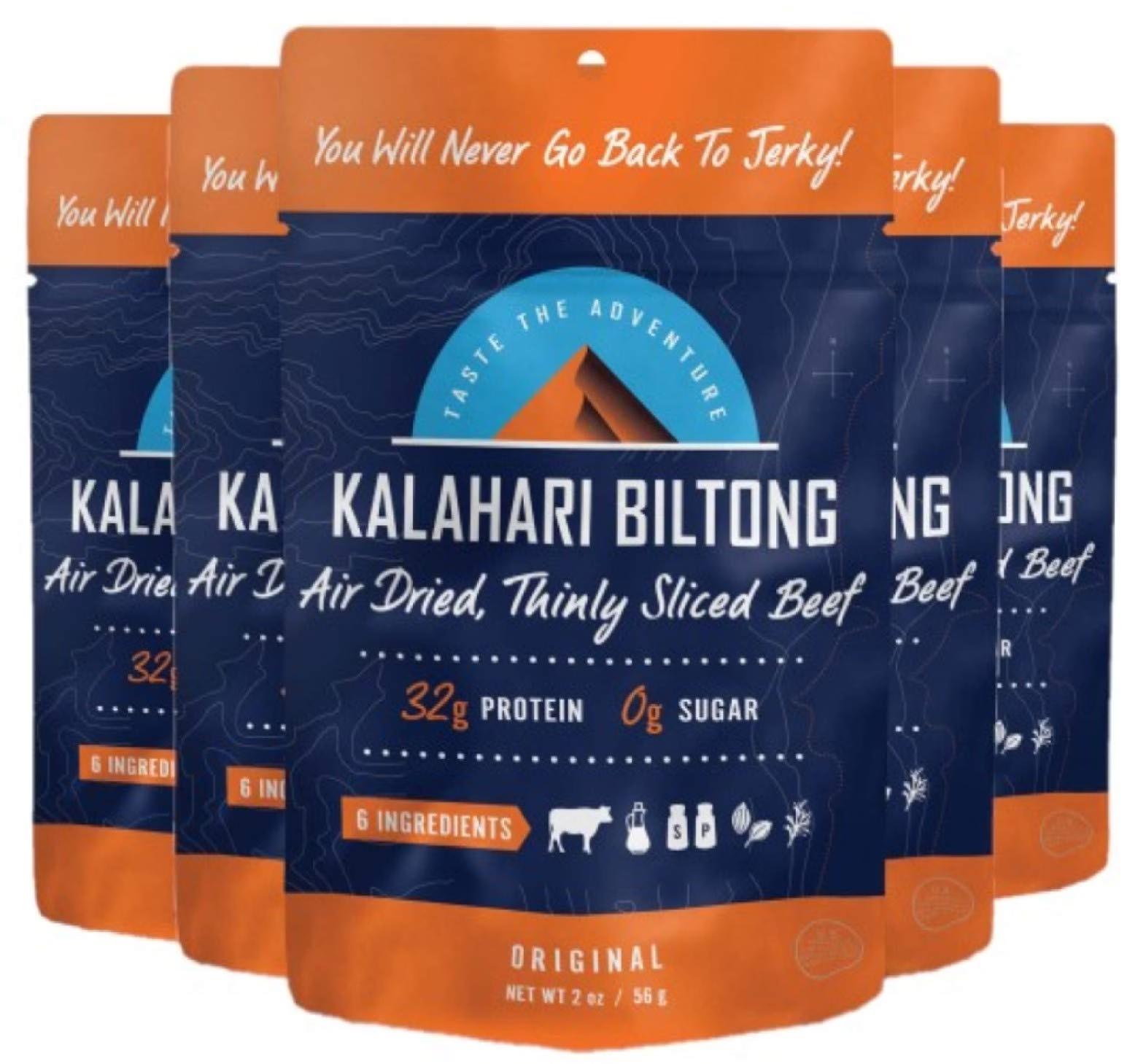
The Kalahari Biltong (Original) review is for people who want the most traditional South African biltong experience available in American retail: air-dried, coriander-forward, no added sugar, no artificial anything.
What Kalahari Does Right
Kalahari’s biltong is as close to the South African original as the American market gets: beef, salt, vinegar, coriander, black pepper, and nothing else. The coriander-forward spice profile is what traditional biltong is built around, and Kalahari’s ingredient list keeps to it rather than softening it for the US palate — which is why it is often pointed to as a reference for the traditional style.
The air-drying process produces the characteristic biltong texture: slightly firm on the outside, tender and pull-apart inside, with a moisture level that sits between fully dried jerky and fresh meat. This texture is polarizing for people used to conventional jerky — it can seem undercooked at first, but this is correct and intentional.
Who Should Buy This
Kalahari Original Biltong is for biltong enthusiasts, South African expats missing the real thing, low-carb and keto snackers who want something interesting, and adventurous jerky buyers ready to explore beyond the American tradition.
How It Compares
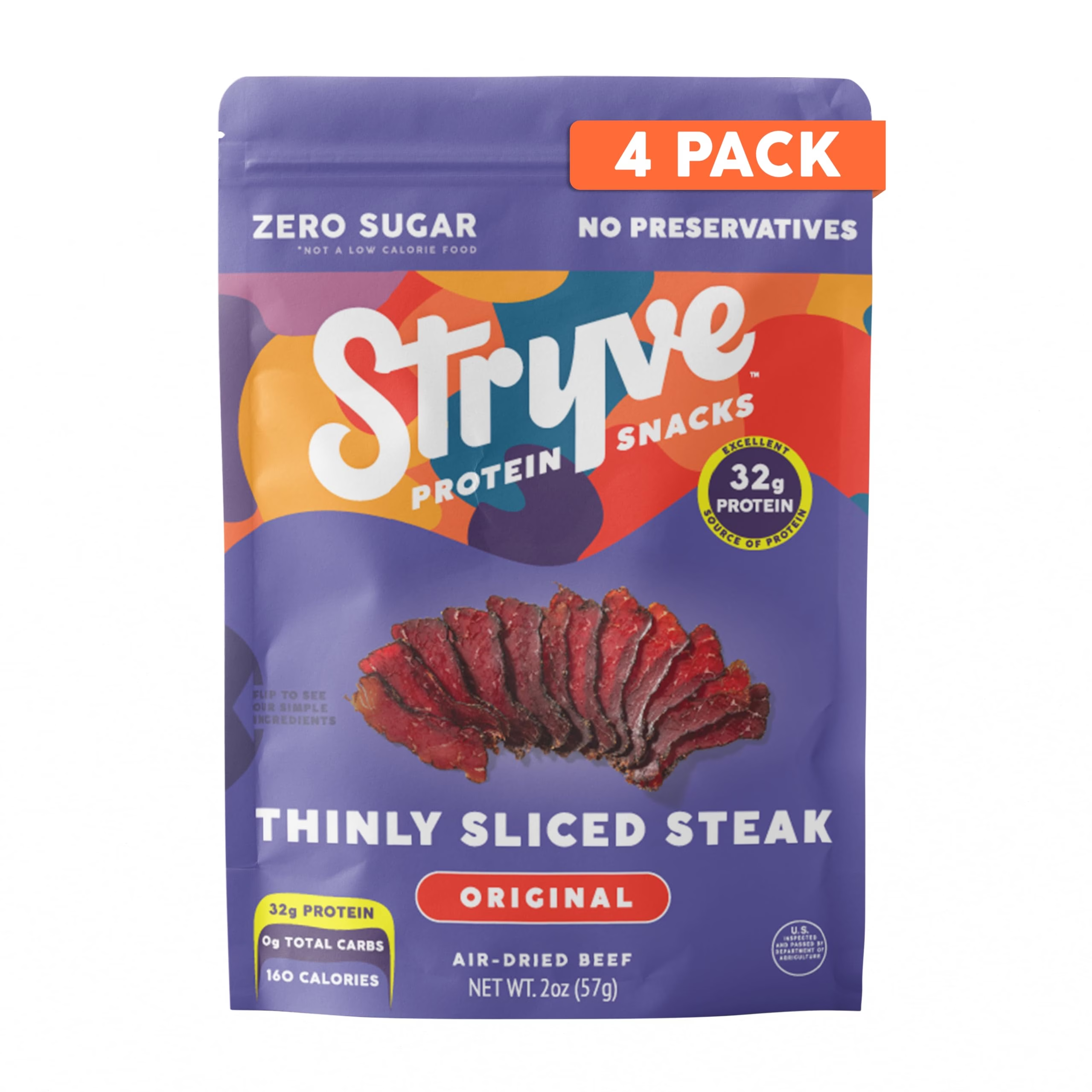
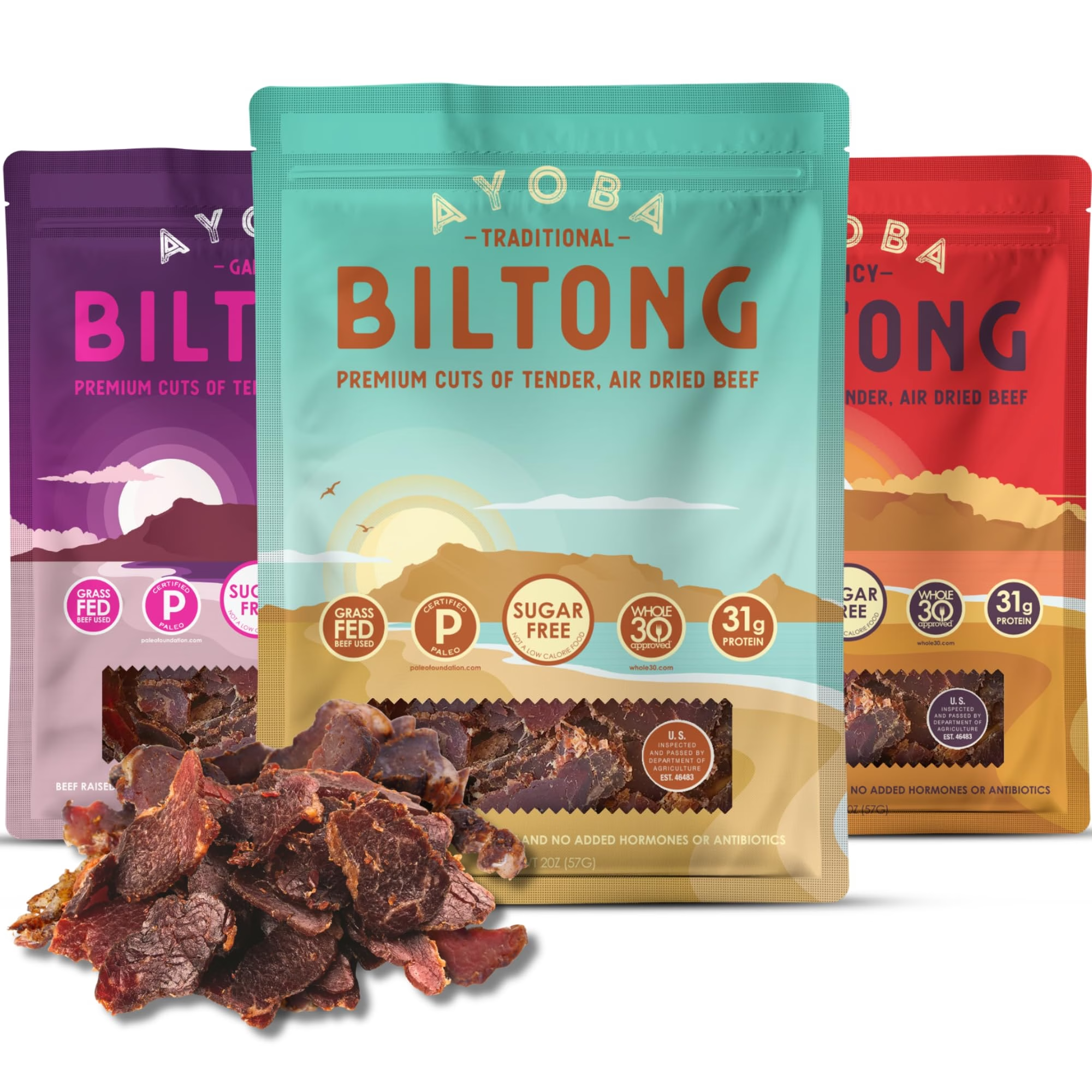
Against Stryve, Kalahari is more traditional and coriander-forward; Stryve is milder and more approachable for first-time biltong eaters. Against Ayoba-Yo, Kalahari is the more traditional pick; Ayoba-Yo is the entry-level biltong for beginners.